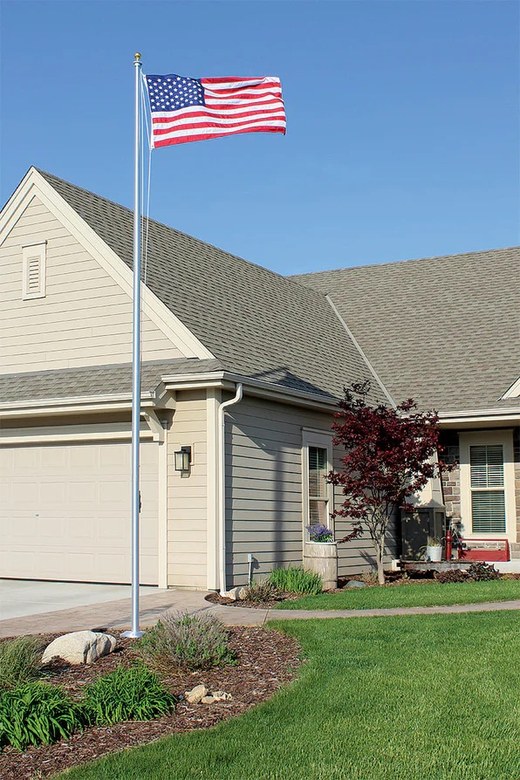
America’s Dealers
and Distributors Authorized Eder Flag Dealer
and Distributors Authorized Eder Flag Dealer
-
Flagpoles
Walk our full flagpole line All flagpolesEvery range, height and price in one place For a business or building25–80 ft, the commercial range For my home15–25 ft, garden and driveway poles Coastal & high windRated to 150 mph for seafront sites Schools & developersOne spec across a programme, 25% off Military & governmentBases, VA sites, GSA and public works Plain-English guidesHeight, rope type, flag size, jargon Not sure? Three questions and we will name the pole for you. Help me pick →
-
Flags
Flags, sewn in the USA
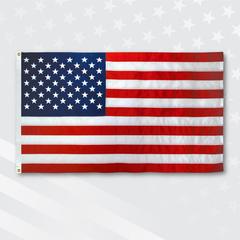 American flagsTen sizes, two weights
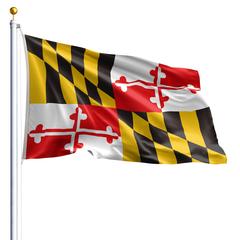 State flagsAll fifty, to each state's spec
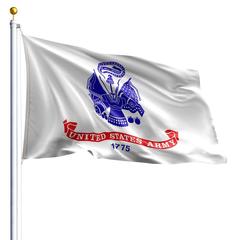 Military & serviceEvery branch, and POW-MIA
What size flagFor the pole you have
Every flag American made by Eder Flag. Free shipping, always.
Shop flags →
Military & serviceEvery branch, and POW-MIA
What size flagFor the pole you have
Every flag American made by Eder Flag. Free shipping, always.
Shop flags →
- Installation
-
Locations
Where we sell and install Where we are based MDMarylandBaltimore to Ocean City DCWashington DCAll eight wards VAVirginiaNorthern Virginia to the coast WVWest VirginiaPanhandle, valleys and ridges DEDelawareWilmington to the beaches Everywhere else, by region SThe South17 states, town by town NThe Northeast9 states, town by town MThe Midwest12 states, town by town WThe West11 states, town by town Somewhere else? We supply and install in 48 states — all but Alaska and Hawaii. Every state we cover →
- Guides
- About